Government policy on petroleum products
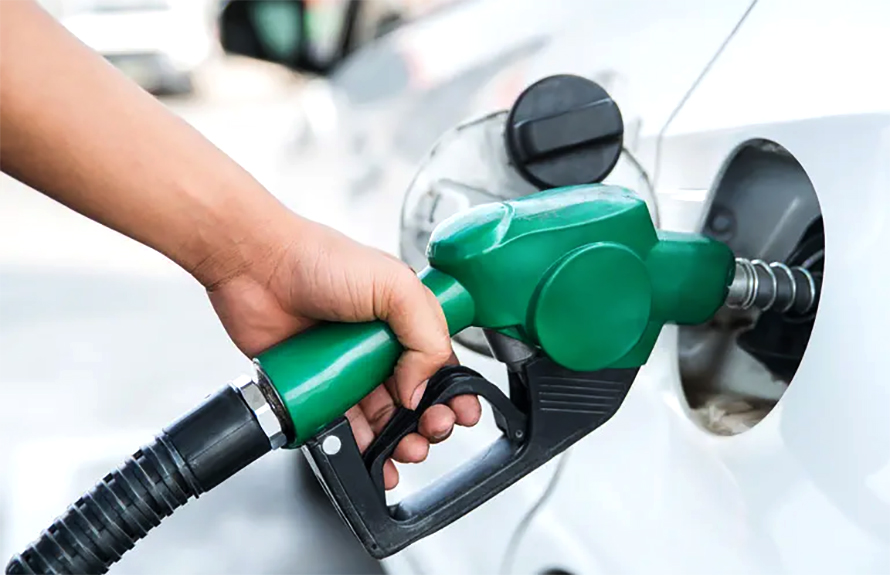
On Saturday, Nepal Oil Corporation increased the prices of cooking gas, petrol, diesel, aviation fuel and kerosene.
With the news of the increase in prices, people expressed widespread displeasure on social media and some political party leaders also opposed it.
The government withdrew it on Sunday after protesting that the prices were increased when Dashain-Tihar was approaching.
Nepal Oil Corporation is a government-owned monopoly for the sale and distribution of petroleum products. It seems that this sector, which contributes significantly to the national economy, generates significant revenue annually. Even according to the general theory of economics, which organization that buys goods at a low price and sells them at a low price can keep its financial condition satisfactory or profitable and Nepal Oil Corporation can keep it?
Nepalese private sector entrepreneurs and businessmen do not seem to be in a position to take this risk. Due to lack of oil, the speed of the country becomes stable. Therefore, when the private sector enters into sensitive matters, the private sector will act dynamically only in favorable times, but in adverse situations, the opposite may happen. Therefore, when the private sector should be allowed to enter the petroleum business, equal opportunities should be provided to the corporation and the private sector, and even the corporation can only compete if it has the storage capacity it has to maintain, the physical infrastructure that should be regionalized, and a reliable basis for investment and if it is given equal opportunities.
At present, there is a method of automatic price determination, by which the price is determined based on the maximum and minimum price, the government of Nepal should deregulate petroleum products under relevant laws and regulations for independent regulation, Nepal Oil Corporation should be taken to the process of privatization, etc.
Comments