Nepal Supreme Court Rejects Legal Recognition of Ncell’s 80% Share Transfer, Orders Regulatory Action
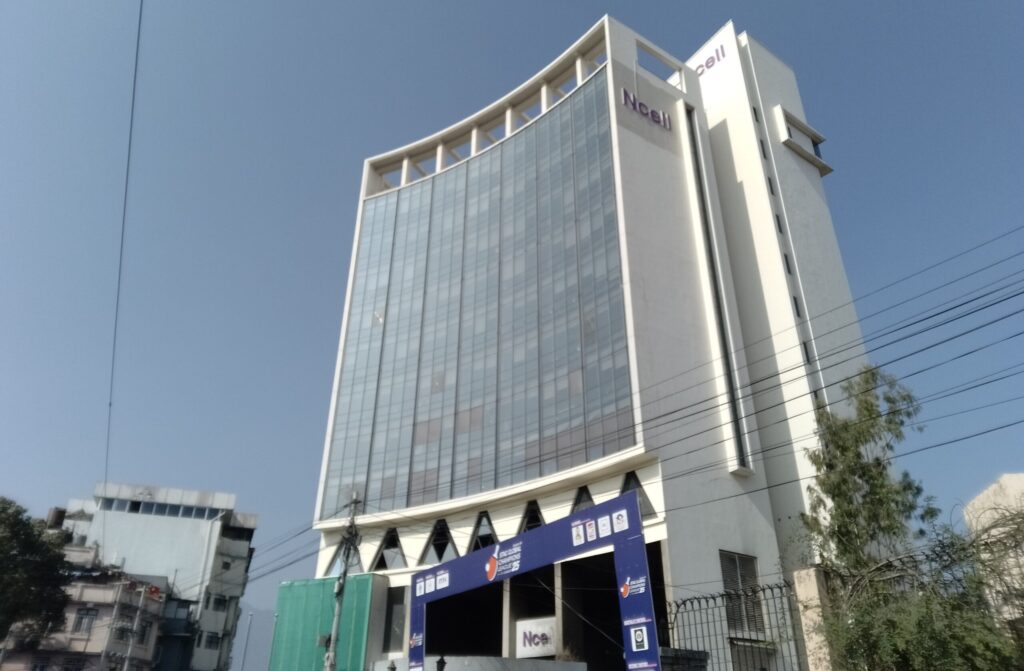
Kathmandu: Nepal’s Supreme Court has refused to grant legal recognition to the transfer of an 80 percent stake in Ncell, ruling that the transaction was carried out in violation of Nepalese law because it was completed without prior approval from the Nepal Telecommunications Authority (NTA). The Court has directed the relevant authorities to conduct tax assessments, recover any outstanding revenue, and initiate further legal and administrative action in accordance with existing laws.
The decision came after the Court released the full text of its verdict on a petition seeking to annul the share purchase agreement involving Ncell. Although the Court rejected the demand to completely invalidate the share sale agreement, it concluded that the transfer itself could not be legally recognized due to non-compliance with regulatory requirements. The ruling effectively shifts the long-running ownership dispute-ongoing for nearly three years-into the hands of administrative and regulatory authorities.
Historic Supreme Court Verdict
A joint bench of Justices Sapana Pradhan Malla and Tek Prasad Dhungana ruled that the transfer of Ncell’s 80 percent ownership through Spectrlite UK Limited was not legally valid because the transaction proceeded without obtaining mandatory prior approval from the Nepal Telecommunications Authority. Under Nepal’s telecommunications laws, the sale or transfer of more than five percent of a licensed telecommunications company’s paid-up capital requires prior regulatory approval. The Court found that this legal requirement had been clearly violated.
However, instead of cancelling the share purchase agreement, the Court instructed the NTA, the Large Taxpayers Office, and other concerned agencies to verify tax liabilities, recover any unpaid taxes and revenues, and take appropriate administrative action. Legal experts believe the verdict weakens Spectrlite UK’s ownership claim while raising fresh legal questions regarding Malaysian telecommunications giant Axiata Group Berhad, Ncell’s previous majority shareholder.
Government Ownership After 2086 B.S.
According to Nepal’s Telecommunications Act, 1997 (2053 B.S.), if a telecommunications company with more than 50 percent foreign ownership completes its 25-year operating license, its infrastructure, network, and assets automatically revert to the Government of Nepal. Since Ncell’s operating license expires in Bhadra 2086 B.S. (2029/2030), legal analysts say the Supreme Court’s latest decision has further clarified the legal pathway toward future government ownership of the company’s assets. Meanwhile, the government has initiated implementation of the recommendations made by the high-level investigation committee led by Tankamani Sharma, while Nepal Police’s Central Investigation Bureau (CIB) continues investigating allegations of fraud, criminal breach of trust, and other possible offenses linked to the ownership transfer.
A History of Ownership Controversies
Ncell was originally established in 2001 as Spice Nepal Pvt. Ltd. with investments from Indian and Nepali business groups. Over the years, ownership changed several times as international investors entered the company. Kazakhstan’s Visor Group later acquired interests in the company before Sweden-Finland’s TeliaSonera became the majority shareholder in 2008, significantly increasing Ncell’s market valuation. During this period, share transactions involving Non-Resident Nepali businessman Dr. Upendra Mahato and Niraj Govinda Shrestha also attracted public attention. Nepal’s Auditor General later reported that capital gains taxes had not been fully paid on several of these transactions and recommended further tax recovery.
The 2015 Deal and Nepal’s Largest Tax Dispute
The most controversial transaction in Ncell’s history occurred in 2015, when TeliaSonera sold its 80 percent stake to Malaysia’s Axiata Group for approximately Rs. 144.78 billion. Nepal’s Large Taxpayers Office initially assessed Rs. 35.91 billion in capital gains tax. Including interest and penalties, the total tax liability later increased to Rs. 60.71 billion.
After TeliaSonera refused to pay the tax, the dispute reached the Supreme Court. Eventually, following court directives, tax recovery proceedings were initiated against Axiata. Although the initial tax assessment reached Rs. 63.63 billion, subsequent court rulings reduced part of the penalties. Ultimately, Ncell paid around Rs. 47 billion in taxes, interest, and related charges—one of the largest tax recoveries in Nepal’s history.
International Arbitration Ends in Nepal’s Favor
While tax disputes continued in Nepal, Axiata and Ncell filed a US$348 million compensation claim against the Government of Nepal at the International Centre for Settlement of Investment Disputes (ICSID), alleging violations of the Nepal–United Kingdom Bilateral Investment Treaty. However, in 2023, ICSID ruled in favor of Nepal, sparing the country from a substantial financial liability. The verdict has since been regarded as a major legal victory for Nepal in international investment arbitration.
2023 Share Sale Sparks Fresh Controversy
Another controversy emerged in 2023 when Axiata agreed to sell its 80 percent stake in Ncell to Spectrlite UK Limited for only US$50 million (approximately Rs. 6.5 billion). The dramatic drop in valuation-from over Rs. 144 billion in 2015 to just US$50 million-raised serious concerns among regulators, lawmakers, and industry experts.The government-appointed investigation committee questioned the company’s valuation methodology, the financial capacity of the buyer, the source of investment funds, cross-holding arrangements, and the overall ownership structure.
According to the agreement, Spectrlite is scheduled to complete payment through installments extending until 2027, while Axiata will continue receiving certain financial benefits for a specified period. These provisions have further fueled doubts regarding the true nature of the transaction.
Investigation Committee Findings
The high-level committee led by Tankamani Sharma concluded that the share transfer had proceeded without obtaining mandatory approval from the Nepal Telecommunications Authority and without fulfilling required legal procedures. The committee recommended comprehensive investigations into all previous ownership transfers, the source of foreign investment, offshore companies involved in the ownership structure, investments linked to Bhawana Singh Shrestha, and banking transactions related to the deal. It also urged authorities to complete tax assessments and recover all outstanding tax and non-tax liabilities associated with Ncell as quickly as possible.
Links to Smart Telecom Investigation
The Ncell controversy has also been linked to Smart Telecom, as reports suggest that some early investors and individuals associated with Ncell were connected to Smart Telecom’s ownership network. Smart Telecom faced criticism for holding a telecommunications license without expanding services and ultimately lost its operating license after failing to pay renewal fees. The company reportedly owes the government approximately Rs. 27 billion in outstanding revenue. The Central Investigation Bureau (CIB) is also investigating allegations that Smart Telecom’s assets were illegally sold, with legal proceedings already initiated against several individuals.
Massive Profit Repatriation Raises Further Questions
The investigation committee also revealed that Ncell’s initial foreign investment was only around Rs. 80 million, while domestic investment totaled roughly Rs. 20 million. Despite this relatively modest initial investment, the company reportedly generated profits exceeding Rs. 100 billion during its operations and repatriated more than Rs. 68 billion abroad through dividends, service fees, and other payments. The report further noted that more than Rs. 85 billion in tax and non-tax liabilities related to Ncell remain under review by government agencies and courts, indicating that the legal and financial issues surrounding the company are far from resolved.
- Industries Warn of Raw Material Exports Threatening Domestic Manufacturing, Urge Prime Minister to Intervene
- Nepal Rastra Bank Makes National ID Update Mandatory for Mobile Wallet Users by Mid-October 2026
- NEPSE Climbs 7.90 Points as Daily Turnover Surpasses Rs. 6 Billion
- Government Moves to End Exploitation in Foreign Employment, Reviews ‘Free Visa, Free Ticket’ Policy
- Nabil Bank Wins Three Prestigious Euromoney Awards, Named Nepal’s Best Bank
- Finance Minister’s Secretariat Urges Investors to Ignore Market Rumors, Says Regulatory Reforms Underway
- Nepal Rastra Bank Eases Margin Lending Rules, Allows Up to 80% Loan Against Strong Shares
- Kathmandu Court Grants Bail to Dipak Bhatt and Sulabh Agrawal in Securities and Insurance Fraud Cases
- Nepal Buildcon International Expo Concludes Successfully in Kathmandu
- Qatar Chamber Delegation Arrives in Kathmandu to Finalize Joint Business Council





Comments